BESTMARKED guide
Sprint Spikes for Track: How to Choose the Right Pair
Choose sprint spikes for track by matching the shoe to your event, experience, foot shape, and tolerance for a stiff, close-to-the-track ride. A secure fit and usable traction matter more than a fashionable colorway or a universal “best” label. Newer sprinters often benefit from a more forgiving model, while experienced athletes may prefer a more aggressive plate after trying it at speed.
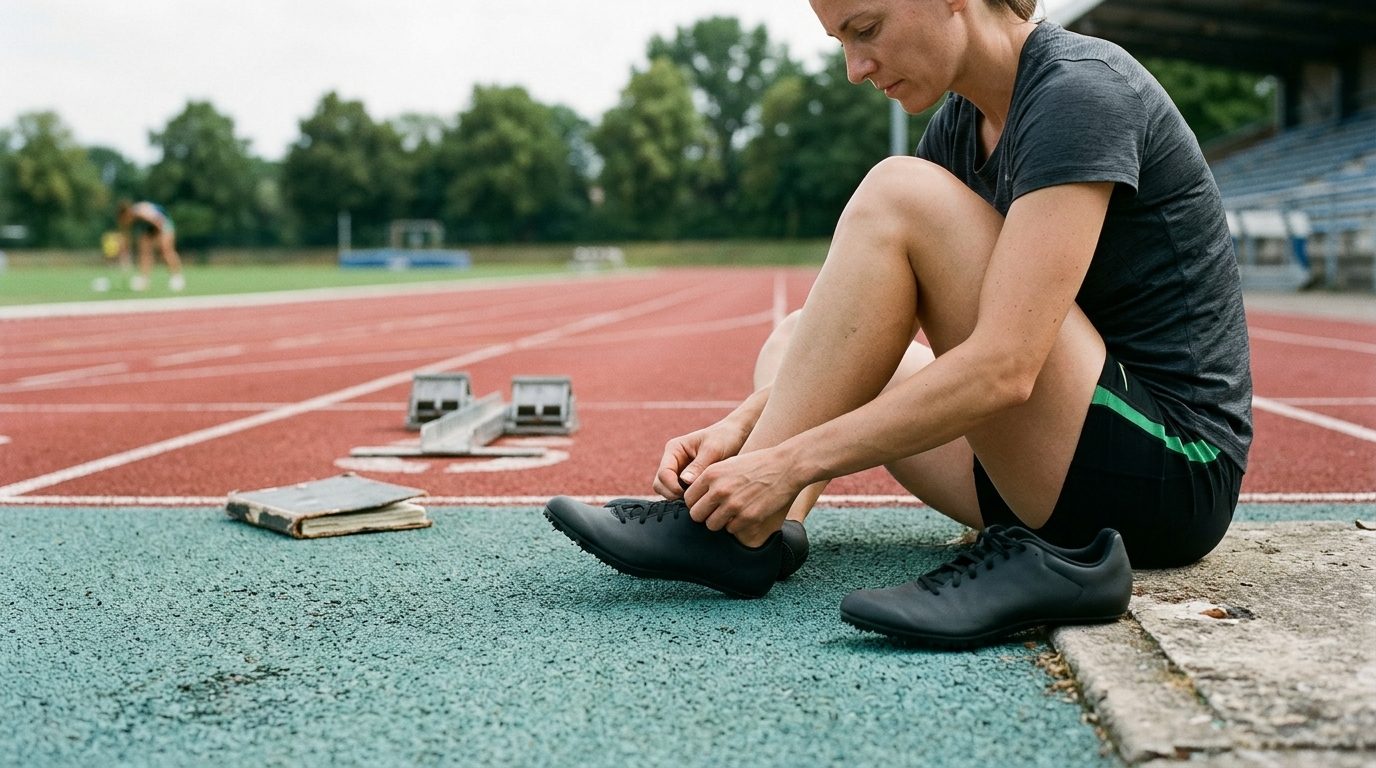
Which sprint spikes should you buy?
Start with the events you actually race. A sprint-specific spike is built around acceleration, forefoot contact, and fast running on the track. A multi-event model can make more sense when an athlete also runs hurdles, competes across several disciplines, or needs one pair for varied practice demands.
Retail assortments show why the label matters. Performance Running Outfitters groups sprint-oriented models together, while TC Running Co separates sprinting shoes from distance, cross-country, jumping, throwing, and multi-event options. Do not assume every shoe with removable pins is suitable for sprinting.
The practical choice is the least aggressive shoe that still feels secure and responsive for your event. That gives developing athletes room to learn sprint mechanics without choosing solely by elite-oriented features.
- Choose sprint-specific footwear when short track races are the main use.
- Consider a multi-event model when versatility matters more than maximum stiffness.
- Avoid distance and cross-country models when the primary need is block starts and sprinting on a track.
- Confirm that the shoe and pin setup are permitted at the track or meet where it will be used.
How should sprint spikes fit?
Sprint spikes should feel close and controlled, with the heel held securely and the forefoot aligned over the plate. Close does not mean painful. Toes should not be curled, pinched, or forced against the end of the shoe.
Try the shoes with the socks used for racing. Lace them fully, then perform a few controlled accelerations where permitted. Watch for heel lift, side-to-side movement, pressure across the top of the foot, or a toe box that becomes uncomfortable as the foot loads.
Foot shape can rule out an otherwise appealing model. RunRepeat’s retrieved testing highlights meaningful differences in toe-box shape and notes that some sprint shoes may not suit wider feet. Treat lab measurements and reviewer impressions as screening information, then let personal fit decide.
- Heel stays seated during acceleration.
- Midfoot feels held without numbness or sharp pressure.
- Toes lie naturally rather than bunching or rubbing.
- The plate bends and loads without causing immediate foot or calf discomfort.
What plate feel is right for your experience?
A stiff plate can feel quick and direct, but it also asks more from the feet, calves, and sprint mechanics. An aggressive shoe is not automatically the right shoe for every athlete. If the plate makes relaxed sprinting awkward, the model may be too demanding for current training needs.
A more flexible model may be easier to use during drills, hurdles, or mixed sessions. A firmer option may suit an experienced sprinter who already knows how aggressive footwear feels at speed. RunRepeat evaluates stiffness, flexibility, weight, fit, and track feel, which are useful categories to consider even when its preferred model is not your preferred fit.
Introduce unfamiliar spikes gradually during coached sessions. Stop if they create pain or alter mechanics in a way the athlete cannot control. Footwear can change ground feel, but it cannot replace sound progression, recovery, or technical coaching.
Do you need a sprint-specific or multi-event shoe?
Choose sprint-specific spikes when training and competition center on short races and the athlete wants a direct forefoot platform. Choose multi-event spikes when the same pair must cover varied sessions or disciplines and a more adaptable ride is valuable.
TC Running Co’s collection illustrates the distinction by listing sprinting and multi-event shoes as separate categories. That does not make one category universally better. It shows that the intended event should be checked before buying.
For a developing athlete, versatility may offer better practical value across a season. For a specialist, a dedicated sprint model may provide the preferred fit and plate sensation. The final decision should follow the coach’s plan and an actual fit check.
What should athletes and coaches check before buying?
Read the product category and intended-event description before comparing colors or promotional language. Then confirm fit, return conditions, replacement-pin requirements, and whether the model will be used mainly for racing or regular training.
Retail stock changes, and a collection page is not proof that a particular size or color is currently available. Check the seller’s live product page before purchasing. Likewise, third-party test results describe the tested sample and reviewer experience, not a guaranteed outcome for every athlete.
Bring the decision back to the athlete’s current needs. A shoe that feels stable, secure, and natural during fast running is a stronger candidate than one chosen because it carries an elite label.
- Event and intended surface
- Athlete experience and current training load
- Heel, midfoot, and toe-box fit
- Plate stiffness and comfort at sprint pace
- Pin compatibility and venue rules
- Seller availability and return terms
How can you tell whether a new pair is helping?
Separate shoe selection from performance measurement. Record comparable sprint efforts under similar conditions, and note the session, surface, footwear, recovery, and weather rather than attributing every change to the spikes.
BESTMARKED’s race timer app supports timing, split tracking, progress graphs, and personal-record tracking for athletes and coaches. Use the race timer app when you need a repeatable way to capture efforts, and consult the split-time running guide when reviewing where a run changed.
Do not promise yourself a faster result because of footwear alone. Use consistent timing and athlete feedback to judge whether the pair feels controllable, supports the planned session, and remains comfortable as training progresses.
A practical final decision
Buy the pair that matches the event, holds the foot securely, and feels manageable at sprint pace. Favor versatility when the athlete is still exploring events or needs one training pair. Consider a more aggressive sprint-specific design only when its fit and plate feel support the athlete’s mechanics.
If choosing between close candidates, prioritize fit and intended use over a universal ranking. Keep the packaging until the fit has been checked under the seller’s return policy, and follow the venue’s rules for pins and footwear.
Frequently asked questions
Are sprint spikes different from distance spikes?
Yes. Retail collections separate sprinting footwear from distance footwear because the intended events and underfoot designs differ. Sprint spikes generally emphasize acceleration, forefoot contact, and a direct track feel, while distance models are designed around different race demands.
Should beginners buy aggressive sprint spikes?
Usually, beginners should prioritize secure fit, manageable stiffness, and versatility. An aggressive plate may be appropriate later, but it should not make sprint mechanics uncomfortable or difficult to control.
Can one pair cover sprints and hurdles?
A sprint or multi-event model may cover both, depending on the athlete’s events, fit, and coaching plan. A versatile model can be practical when the pair must handle varied sessions.
How tight should track spikes feel?
They should feel close and secure without curled toes, numbness, sharp pressure, or heel movement. Test the fit with racing socks and controlled sprint movements where permitted.
Will sprint spikes guarantee faster times?
No. Footwear may change traction and track feel, but results also depend on training, technique, recovery, conditions, and accurate timing. Compare similar efforts and track splits before drawing conclusions.
Continue learning
Review information
Reviewed by: BESTMARKED Editorial Team. Last reviewed: